Showing posts with label School life. Show all posts

Thursday, March 12, 2026

The Making of Martha Mayfield by Jo Dabrowski


"I make sets. At least that's what I call them. My sets aren't life-sized, of course. I make them in boxes. ... I've made loads of sets. One of nearly every room in our house. ... I've also made a set for every shop on Charlotte Street ... (and) I've made every classroom I've ever had up to Year Five. ... Oh yes, I made paper people too. ... I use my sets to practice first days of school, excursions and sports days. I've practiced tricky conversations and playdates too. When something is coming up that makes me nervous I do a 'dress rehearsal' with my sets."

Grade five is a time of change for Martha. Mum loses her job. Iris, her sister gets yet another boyfriend, it is the time at school with elections for School Captain, and all of Grade five have to prepare things to sell at a Market Day. Martha is so shy she cannot talk at school, at all. At home she wants to tell her mum about school but she holds back because mum seems so distracted and sad. 

Could Martha run for School Captain? She makes a list from the application form and then she puts the words into two origami boxes - green and red. She has these covered - cares, listens, organised. She needs to find a way to achieve these - contributes, voices ideas, good at teamwork, and confident public speaker. 

About halfway through The Making of Martha Mayfield I stopped to think about the title. Martha does indeed do some making but then a couple of hours after I finished this book, which is a 2026 CBCA Younger Readers Notable title, I realised of course this book is about the 'making' of Martha herself. Martha moves from a very shy and quiet girl who rarely if ever speaks to a girl who finds her voice and a way to express all those terrific ideas she has had bubbling away in her brain and even a way to try out for School Captain.

This book was published in August last year but I overlooked it in many bookshops. The cover didn't really appeal to me but you can see I should not have let this guide me as I have given this book four stars.

The Making of Martha Mayfield is a long book with close to 300 pages of fairly small print so keen readers aged 10+ will need some reading stamina but I did read the final half of this book in one sitting because I become quite invested in Martha hoping she would be able to overcome her shyness and succeed with both the Grade 5 Market Day Project and the bigger challenge of the School Captain elections. In fact as a shy kid with a shy mother some parts of this story really did touch my heart. 

Jo Dabrowski creates four distinct characters:

Martha - "I know why Mum says being quiet is a good thing, and why she goes on about me noticing stuff. She does it to make me feel better about myself. So I feel quiet and interesting, not quiet and boring, which is what the kids in my class think I am. If they think of me at all, that is. I might be good at noticing but I'm even better at going unnoticed."

Iris her sister has no emotional intelligence. The new boyfriend is awful but Iris is so set on having a boy friend she will do anything to please him including taking on a whole new 'goth' style and of course ignoring or dismissing her little sister. There is an awful scene in this book in the chapter entitled 'Sticky Notes' that broke my heart - it is so cruel.

Mum is shy and still grieving the loss of her husband. She finds social situations especially difficult. I imagine she was herself, badly bullied at school. "I picture Mum staying behind, sitting at her machine, too shy to join in." Mum is also a bit overwhelmed by Stella, her husband's mother, who is never short on advice. 

Stella, the grandmother - the girls have to call her Stella not grandma. She's obsessed with Michelle Obama and with looking young and stylish. Stella's character is so well described to the point where I actually did not like her at all. This is so different from most books where the grandmother character is usually compassionate and wise. Stella is so egotistical that she turns every conversation back into a boast about herself. Here is a quote from Stella:

"Stella talks about Dad all the time, without anyone asking. She doesn't tell stories so much as facts. They start out being about Dad but end up being about her. Like, she'll say he was a wonderful son ('He absolutely adored me.'); he could turn the most ordinary event into a funny story ('He got his sense of humour from me, you know.'); people were drawn to him ('He got that from me too,') ... "

I did love creativity of Martha. As you read in the quote at the beginning of this post, she makes models of her home, classroom, and even the shops in her street. These projects are given detailed descriptions in the story - you can almost see her work. And her idea for the market day is brilliant.

Publisher blurb: Martha Mayfield has always been the quiet kid. Martha is, after all, her mother's daughter. The shy child of an even shyer mum. And she likes it this way. That is, until Martha's mum loses her job. And Martha's teacher overlooks her at school. And soon, Martha realises something has to give. Can she really go through life being so quiet that nobody takes her seriously? Should she really keep all her good ideas to herself forever? Putting yourself out there is every quiet kid's worst nightmare, but Martha is determined to make the most of it. And perhaps to make something of herself along the way ...

Click these review comments for more plot details:

The pace is perfect, leading to a dramatic climax that is surprising and very satisfying to read. Kids' Book Review

Whether you’re an anxious fifth grader or not, The Making of Martha Mayfield is an endearing and highly relatable read, with multifaceted characters that you’ll fall in love with. Story Links

Here are the CBCA Judges comments from the Notables booklet:


Jo Dabrowski is the author of two other Notables - Dear Broccoli a 2026 CBCA Notable (Picture Book) and The Thing about Christmas (Early Childhood).


Monday, February 16, 2026

When Lightning Struck by Betsy R Rosenthal


James has lost his dad - he was killed by a lightning strike. His mum is in jail for bootlegging and she is also suffering from depression. James lives with his grandfather (Pappy) and until recently with his beloved grandmother (Abuela) but six months ago she died. Abuela was a town healer. Pappy runs the local diner and he makes delicious food for the people in the town. I loved the way James tucks into pie and hamburgers. 

There is a new kid who has moved to Odessa, Texas. He is from Ukraine and he has very little English. He is older than the kids in the class and so he is taller which is helpful for James because he is regularly tormented by a bully named Virgil and now Paul is his friend so her has someone on his side when the bullies attack. Paul's family seem very different to James. They speak a strange language (he later discovers this is Hebrew) and they observe unfamiliar customs which often include special rituals and very delicious food. They don't go to the local Christian church. 

Just before she died Abuela gave James an amulet which has a strange symbol on one side and foreign writing on the back. The Pappy shows James the family bible and it seems Abuela has a connection that goes back to 1492 when Jewish people were expelled from Spain. You can read about that in this picture book:


"Things were starting to get a little less muddy. Between the charm and the Bible with my name in it and the Hebrew writing, I felt like Abuela was sending me a message from the grave, trying to tell me that I was somebody different than I'd thought I was. And I go to wondering, too, if this news about my family's past could have something to do with me finding my purpose."

"I think your Texas Odessa is named after my Odessa because railroad workers here said this place reminded them of their home in Ukraine. ... Same name but better place for our family that Ukraine, Odessa ..."

Readers aged 10+ might gain a little more understanding about Jewish culture and the history of their persecution through this story. Paul talks about the terror his family experienced in Ukraine - a situation which has been repeated today with the Russian army. 

Our famous children's bookshop The Little Bookroom has reopened in a different location in Melbourne and I was there on their first day (not their official opening which was held two weeks later). The new owner filled several shelves with books from the previous store and marked them at 90% off the retail price and so that is how I came to find When Lightning Struck. This book was published in 2022. The ebook version is available. 

The setting for this book is Texas in 1928 but apart from references to prohibition, the Klu Klutx Klan and a few sporting heroes the parts of the story set in Texas didn't feel historical enough for me.

Here is list of other books by Betsy R Rosenthal (and there is a link to teachers notes from When Lightning Struck).

Bookseller blurb: It's 1928 in Odessa, Texas, and eleven-year-old James is struggling to find his purpose in life and to uncover a family secret. With his father struck dead by lightning and his mother in jail, he is taken in by his grandparents. Treated as a pariah at school, James is taunted as being cursed by his family's bad luck. But he finds a friend in Paul, a Russian immigrant, who is also treated as an outcast, and together, they battle the school bully. But James's life is turned upside-down yet again when he uncovers a family secret involving his beloved grandmother. His discovery leads him to find the sense of purpose he's been seeking.


Saturday, January 24, 2026

Running my own Race by Abena Eyeson


This story is a little clichéd, but I imagine most young readers will not identify all the usual tropes. I have read other books like this so here is my list:

  • Injustice - Poor 'black boy' finds a place in posh 'whites only' school
  • Talent - The coaches immediately see this boy has great running ability
  • Bullies - The kid assigned to 'help' him is an angry and jealous bully
  • Underdog - Kofi is selected for the running team and yes he beats Miles (the bully)
  • Excuses - We learn that Miles has some difficulties in his home life - as though this somehow excuses his dreadful behaviour
  • Peer group pressure - Miles holds some power over other kids in the school and so they readily believe the rumors Miles spreads about Kofi.
  • Friendship - luckily the other scholarship kid - a girl named Christine - steps in to help and encourage Kofi
  • Siblings - Kofi has a terrific sister who surprises him by offering good advice and support
  • Old friend - Charlie has been Kofi's friend forever but this friendship seems to be in danger now that they no longer go to the same school
  • Winning the race - spoiler alert - of course Kofi wins that big race even after Miles hurts him badly and he is forced to miss many weeks of training
The only part of this story that did surprise me was the way the school fairly quickly accepted that Kofi was the victim and that the story told by Miles that Kofi hit him first was a total lie. It was good to see the school Principal accept the need for restitution and also it was good to read the scene where Coach mediates this meeting. The contrition by Miles did feel real.

Nosy Crow consistently produce good books so I was keen to dive into this one. My friend shared the books sent to her library by Pegi Williams (South Australia) from their standing order

I am sure the cover of Running my own race will appeal to readers who love sports. 

Publisher blurb: Kofi’s mum is determined he’s going to be ‘somebody’. But when Kofi is given a place at a prestigious private school because of his athletic ability, everything changes. Kofi dreams of being a professional athlete – but he soon finds following your heart isn’t an easy road. Under pressure from his mum to make the most of his academic opportunity, his best friend who doesn’t want him to change, his community to make them proud, and a rival who will do anything to make sure Kofi doesn’t outshine him – Kofi isn’t sure where to turn. Can Kofi find a way to follow his own path?

Abena Eyeson was born in Ghana but has lived in the UK since the age of 12. She has won accolades for the FAB Prize, Jericho Prize and TLC Pen Factor. She writes picture books, educational non-fiction and has self-published YA. Abena lives just outside London with her husband and three children. It was her children that inspired her to put Black characters at the heart of her stories. Running My Own Race is her first middle grade novel. Here is an interview with the author. There are some resources on the author web page.

A better series that I have thoroughly enjoyed reading recently which has a focus on the same themes as this book - Running my own Race - are the Tracks books by Jason Reynolds.


Ghost is the first book in the series


Monday, June 9, 2025

11 Ruby Road 1900 by Charlotte Barkla


Bookseller blurb: It is 1900 and Dorothy and her family have just moved to a new house at 11 Ruby Road. Ruby Road is a busy street, bustling with activity - families and children, noisy carts and animals. The house is close enough to see the city and very different from the rural life Dorothy has known. Best of all it has a secret writing room that only she knows about! Dorothy has big plans for her new neighbourhood - she wants to put on a play and write it herself! But there are other reasons for her family's move to the city and, as Dorothy starts to learn about her new house, she discovers more about the period of time she's growing up in.

I picked up 11 Ruby Road 1900 from a charity book sale for just AUS$2 - this is a little surprising because this is a fairly new book published in 2024. The book that focuses on 1950 will be released in August this year. 

I would have liked a little more detail on historical facts but all in all, a jolly good read for kiddos from around Year 3 upwards. It would certainly be a good read-around-your-topic for history topics focused on this period ...  Just so Stories

Dorothy is bright, driven and rebellious, regularly in trouble at school but only for matters of principle! As the middle child of 6 girls, she looks to her older sisters for social precedents and sees herself as a trailblazer for the little ones. Curious and willing to break tradition, she is a perfect translator for young readers of the morals, values, opportunities and limitations facing young Australians, particularly women, in this era. Storylinks

Here are all three books from the series so far:

Here is the Lamont review of 11 Ruby Road 1900. Read more about Charlotte Barkla here. Walker Books have written some very detailed teachers notes. I am not sure I would use this book as a class novel but if you had a small book club style group (probably of girls) these notes might give you some ideas to discuss. As a character Charlotte annoyed me - she is too selfish and bossy for me. But I did enjoy the way she changed her play to link with the pressing issue of the times - votes for women. You could perhaps read chapter 20 and link this with your study of Australian history. The teachers notes have some useful ideas about this aspect of the story. I also worry about the awful teacher but perhaps her attitude to 'naughty' students is more a reflection of the times. 

The obvious companion text is this famous Australia book My Place.


I also thought of this book where a group of kids are putting on a play:


And this wonderful book by Katrinia Nannestad:


Saturday, May 24, 2025

Just under the clouds by Melissa Sarno


"Then I brush my notebook off and stuff everything in, fishing around for my Tree Book. But it's not there. The worn leather, with its little ribbon tail is missing. I check the front pocket. I check the sleeve inside. I sit down on the wet ground and throw my backpack to it, opening it wide. I take all the withered papers out and stack them. I take each covered textbook and each notebook out. Purple, red, green, blue. I check the front pocket - a jumble of pens and pencils and paperclips, an eraser that feels like it's coated in sand and crumbs. I check the empty sleeve, I fan the colours, in a pinwheel, looking for the soft brown leather. Its gone."

This notebook is everything to Cora. It is her link to her father who died several years ago. Her father was Irish and mum has Mexican heritage. Cora's little sister lost oxygen to her brain during birth and so she has a fairly profound disability. Money is very tight and so the family of three keep having to move. As the story opens, they are living in a homeless shelter, but it is a very dangerous environment. After they are robbed, they move in with mum's friend. Willa seems to have a perfect life and a perfect home and so mum just needs to move again. Cora would love to stay because it is the first place in a long time that she feels safe, but they do move this time into assisted housing. Now school is even further away. 

One thing that connect Cora to her father is the drawing in his notebook of a tree he called The Heaven Tree. Cora finds the tree down by the canal. She is determined to climb it but there are no low branches. The only way seems to be through the window of a disused factory. This will be very dangerous. 

Little Adare loves cats. There is a stray cat that hangs around near the tree and near the canal. On the day Cora loses her dad's tree notebook, little Adare goes missing. Can Cora put all these puzzle pieces back together and find her little sister in time?

This is a debut novel for Melissa Sarno. Kirkus say ages 10-14 so I have listed this as a senior primary novel. Just Under the Clouds was published in 2019 but it is still available. This book will appeal to thoughtful readers who have good reading stamina and who enjoy quiet books about family relationships and children living in complex situations. 

Troubling, affecting, and ultimately uplifting, from a promising debut novelist. Kirkus

There is a delicate balance of things my readers like in a sad book. They like lots of descriptions of what life is like, but they are not as fond of the character's introspection about their situation, if that makes sense. (I spend a large part of my day involved in the nuances of what students want in a book!) This is a little slower than my students usually want, but I will probably purchase it, and this is certainly a great book to look at for most collections. Ms Yingling

Companion books - pop these titles into my sidebar:


And here are some picture books on the topic of homelessness.


This book might be in a library or available as an ebook - it also deals with the heartbreak of a disabled sister.


And this new Australian book has a World War II setting and the story centers on saving the disabled sister from capture.


Thursday, April 17, 2025

The Boy in the Suit by James Fox


Right from the beginning of this book it is clear this young boy has a fraught relationship with his mother and also it is clear that she is suffering from a serious mental illness. When he was born, she named her son Solo. This name means Solo has to suffer lots of bullying and name calling at school. 

On page two we read a description of Morag's clothing:

"Morag was wearing her favourite party outfit: a black leather jacket, black hat with lace that partially covered her eyes, smart black skirt with black tights, and black boots that came up to her knees."

Then we read about her moods:

"Morag got in a mood like this sometimes. She had a special name for it: the Big Bad Reds, or the BBRs for short. Apparently, an evil red mist would descent into her eyes, and all she could see was how rubbish the whole world was. Whenever Morag was suffering from the BBrs, her voice went snappy and the words she used didn't sound anything like the real her .. There were so many words like depression and anxiety floating around, but I wasn't sure that's what Morag had. All I knew was that some of her mood were trickier than others."

Dad left long ago and now mum (Solo calls her Morag) has lost her job. It is clear they will be evicted very soon because the rent has not been paid. As a way to find food Morag takes Solo along to funerals. They sit though the church service and then 'gate crash' the after party. Solo wears an old charity shop suit which is way too big for him but it does have large pockets. He also carries small plastic bags. He collects the buffet food surreptitiously and then deposits it Morag's large handbag. Solo hates doing this and he is also in desperate fear they will be found out. It is even worse when Morag finds the free drinks at the 'party' and often becomes quite drunk.

Then comes the funeral where they are 'found out'. And even worse a newspaper publishes photos of Solo and Morag and the social media world goes viral. And Solo get a new horrid name - Funeral Boy.

The part of this book that made me shudder is the description of the way Solo's teacher treats him. She has absolutely no emotional intelligence, no empathy and is at times, even cruel towards Solo who clearly is suffering. He has no food, the wrong clothes and with no access to proper hygiene I am sure he must smell. All she can do is give him demerit points and threats. The scenes near the end of the book when she learns the truth about Solo and his dreadful life circumstances left me feeling hollow. Her apology feels somewhat fake especially when she tells Solo her own mum also had mental health issues. I was left wanting to scream at her for her terrible behaviour. Luckily there is a teacher's aide in the school who does see Solo needs help. She is able to give him shoes and information about a local food bank. Sadly his mum will not accept charity and so they do not visit the food bank and she refuses to complete the necessary forms. The other wonderful character in this book is a new girl called Chetna. She is kind to Solo, she is patient with him, and she is even willing to take huge risks when Morag goes missing and Solo makes a plan to travel to a seaside holiday resort by running away from a school excursion. 

There are other adults who want to help Solo but he is so protective of Morag - these parts of this story will break your heart. 

The Boy in the Suit is a stark portrayal of the cost of living crisis and its impact on children. It highlights those invisible children who can easily slip through the cracks if other adults in their lives are not checking in and providing support (without waiting for the child to ask). Empathetic, sensitive and honest, this story is one that will stay with readers long after the book is finished. Scope for Imagination

While it highlights the reality of life with a parent experiencing mental health issues and the difficulties caused by child poverty, it also carries a message of hope, the value of friendship, and the courage it can take to accept help from others.  Book Trust

There are more plot details and some discussion questions here. 

This book will be available here in Australia in May 2025. Somehow a copy arrived in the Westmead Children's Hospital Book Bunker library so I borrowed it last week. The cover makes this look like a Young Adult title and indeed The Empathy Lab collection for 2025 put this book into their 12-16 book set. Other reviewers, however, say 9-11. In my view this is one of those cross over books - it will appeal to mature readers in Grade 6 but it could also be enjoyed by students in Grade 7 and 8.

Here are the 2025 Empathy list book titles:


Companion books:


Saturday, March 15, 2025

Small Acts by Kate Gordon and Kate Foster


What if
we are all
searching for meaning
in all the wrong places.
What if we are
looking
in
mirrors,
websites
and catalogues
when meaning is not a thing that can be seen,
or clicked on 
or bought.
What if it is only something that can be given,
pushed out
into the world.
What if our own,
individual
meaning
does not exist,
but can only be shared,
like air,
like breath.
What if the only true meaning
is kindness?

In Small Acts we meet two kids - Josh and Ollie (Olivia). Both have issues and both find school and life itself can be difficult to cope with. Luckily in their Grade Five class they have the most wonderful teacher Mr Parham. As an aside if I could meet Mr Parham I would like to give him a huge hug and thank him for his kindness towards Josh and Ollie. He does not make a fuss about their autism - he just sets things in place which help both of them cope with their school day and he is always ready to listen. Oh, and unlike Josh, I think if I met him, I might make a comment about liking his red things - marker, socks, tie etc. 

Josh and Ollie do have things in common such as their autism and the fact that both of them have lost their very best friend - a truly devastating life change. But I love the way this book shows or tries to show that autism affects kids in very different ways and also the ways these two kids set up their own coping strategies are very different. And another interesting addition to this story is the character of Auntie Olive who is an autistic adult. Ollie's mum is her sister and when Aunty Olive was young she was lost in the bush for several days. This explains why Ollie's mum is so very protective her daughter Ollie. 

Both kids, independently of each other, decide the best way to get on in the world is to be kind. Josh is desperate to join one of the many clubs at school but none of them seem like a good fit. He decides to start a club of his own based around kindness. Meanwhile Ollie loves art. She sees a boy in the park who looks lost and alone. Her heart reaches out to him but she is so shy there is no way she could easily talk to this stranger so instead she makes a small sculpture and leaves it on the park bench for him to find. 

Here are some text quotes from Small Acts which is a narrative with a few sections in the form of a verse novel:

"Ollie was autistic like him and had been at Emu River as long as Josh, but he'd never really paid her much attention."

"It's okay. I was running with my eyes closed.' The boy smiled. It was like sunshine."

"Why was it so hard to make Ollie smile? Maybe he was only making Ollie smile on the inside. But how would he every know? He needed an outside smile."

"Ollie was more like Josh than he realised. Actually, Ollie was better at doing kind things than he was! Wow. Kindness was ... was contagious. That was a great word. Maybe doing kind acts wasn't only about making people smile; it was also to encourage other people to do kind things as well."

"I don't want to be one of your small acts ... I want to do Small Acts of Kindness, myself."

"... on that day Millie had broken her heart (and) Ollie had decided that she didn't deserve kindness. She didn't deserve friends. She didn't deserve people to like her. And so she would do everything she oculd to make sure nobody showed her kindness again."

If you are reading this book and you have not heard about the television series Bluey you will need to hunt out the episode called Sticky Gecko (referred to on page 133). Ollie also talks about her favourite book about a witch - The Worst Witch by Jill Murphy.


Small Acts will at times, break your heart, but under the skillful care of Kate Gordon and Kate Foster it will be made whole again by the end of the book not in a fairy tale way but in a very emotionally satisfying way. I highly recommend Small Acts for readers aged 10+. If this book was published in the UK I am certain it would be included on the Empathy Lab book list. If you read this book with a class your students could write their own lists of kind acts - and it would be even more powerful if they each did a small act of kindness anonymously. It seems obvious but an important part of reading a book about children autism (or any other 'disability') is that the story allows a child reader to enter the world of another child with a different set of life experiences or it shows a child who feels a like Josh or Ollie that they are not alone. If child is struggling with a 'label' like autism I'm not saying this book will make the experience any easier but perhaps it will help to both see the different ways Josh and Ollie experience peer relationships, the way they work hard to understand themselves, each other and others and also the way they bring others together through kindness.


Small Acts is a CBCA 2025 Younger Readers Notable title. I would not be surprised to see it make the shortlist of six.

Companion books:


The Unlikely Heroes Club (notice this is also by Kate Foster)


If you want to read another book about an inspirational teacher try to find this one:


Sunday, February 18, 2024

Leo and Ralph by Peter Carnavas


Image source: Peter Carnavas


"Just because you couldn't see something, didn't mean it wasn't there."


Leo's head is full of wonder. 
"His head was filled with questions. Were his footsteps like earthquakes for tiny bugs in the grass. Why was an apple called an apple and cake called cake? What if everyone slept during the day and stayed awake at night?"

One day he sees a white balloon floating in the sky. How long will it float? Will it float forever? Where will it come down? What if the wind blows it higher? Where does the sky end? His mother uses the word forever and so Leo's fascination with space, the universe, aliens, and other worlds begins.

"The whole sky - all that endless space - was suddenly inside him, filling his chest until he thought he might burst. It was the most exciting thing he had ever heard."

Other kids don't exactly reject Leo, but he just doesn't fit in at school. Games are confusing, he takes a long while to answer questions, and all that noise from crowds of kids are just too much for young Leo. Then one day Ralph arrives. Actually, he turns up when Leo sees another white balloon in the tree outside his room. Ralph has come from another planet. Ralph is the perfect friend. Now Leo can cope with life, and he no longer needs to worry that he is disappointing his mum and dad. But Ralph does tell Leo he will stay for "as long as you need me." Does this mean one day Ralph will need to leave?

Allison Tait was also deeply affected by this book - she says it contains a stunning "depiction of loneliness and not fitting in and trying to follow the instructions of well-meaning parents and the sheer overwhelm of trying to make a friend when you're not sure how."  "It's a wonderful ode to the power of the imagination."  Your Kids Next Read podcast from [10.36- 14.49].

I went to the post office on Friday and there were three parcels waiting for collection. One was this book sent by the publisher University of Queensland Press. I can hardly describe the wonderful experience of reading this book this morning. Peter Carnavas has done it again! There is just the right amount of tension in this story to keep you turning the page and just the right depth of emotion. I cared so much about young Leo - I almost held my breath through the first fifty pages. Things are so hard for young Leo. I also needed those hugs that Peter Carnavas includes in the story from mum, dad, his little sister Peg and especially from Ralph.

I know it is very early in the year, but I am certain this book will be a CBCA (Children's Book of Australia) Younger Readers notable title and surely it will also make the short list. Leo and Ralph will be published on 1st March, 2024.

There are so many FABULOUS things about this book - the writing, the character of Leo, his journey through this early part of his life and the beautifully expressive writing of Peter Carnavas. Here are a few phrases which I loved reading:

"Leo stood in the playground in the shade of his big bucket hat. He looked like a tiny beach umbrella."

"Inside his belly, a thick lump of worry washed away like a fistful of sand in the ocean."

'Dundle was orange-brown. And oven-hot. As Leo stood with his family on the footpath of the main street, he felt like a blob of dough crisping into a biscuit."

I also love the wonderful teachers in this story. Every teacher is kind to Leo and accepting of Ralph culminating with Ms Pengari his Grade Four teacher who wears crazy costumes every day (rather like Ms Frizzle from The Magic School bus series). Her clothes match the class topic. Below are a few descriptions. I know Peter Carnavas is a teacher - I wonder if he might be just like Ms Pengari or perhaps he worked with a colleague like her. I do hope she is a real person. So often I read books about 'out of step kids' like Leo and their teachers are totally demonized. I just wanted to meet and hug every one of Leo's teachers and thank them for their kindness. 

Here are some descriptions of Ms Pengari:

"A woman stepped out, wearing a flowery Hawaiian shirt, fluoro yellow boardshorts and a pair of slippers. She had rainbow zinc stiped across her face and she wore a big floppy hat and sunglasses."

"She wore a back witch's hat and carried a plastic wand, ready for the next lesson about the magic of measurement."

"She wore and eyepatch and a pirate hat and waved a plastic sword. 'Yarrrr! What's taking ye so long? we're about to set sail to the land of fractions."    

"She wore a pair of pilot's goggles strapped to her head - they were supposed to be flying to the twin islands of Area and Perimeter ..."

I am sure you know the expression show don't tell - there are two utterly wonderful examples of this in Leo and Ralph - one has to do with Leo's friend Gus and the other is something his mother says close to the end of the book - a precious moment of connection that is sure to make you smile.

Leo and Ralph will arrive in schools over the coming weeks. It is a title that has been included in several standing order selections.

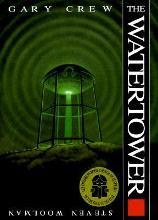
If you read this book with an older reader (say 10+) try to find The Watertower by Gary Crew - I had the illustrations in this book in my mind when Leo saw the strange water tower in his new town of Dundle. 


I do really enjoy books about imaginary friends. My all-time favourite is O'Diddy but it is a very old book and long long out of print sadly.


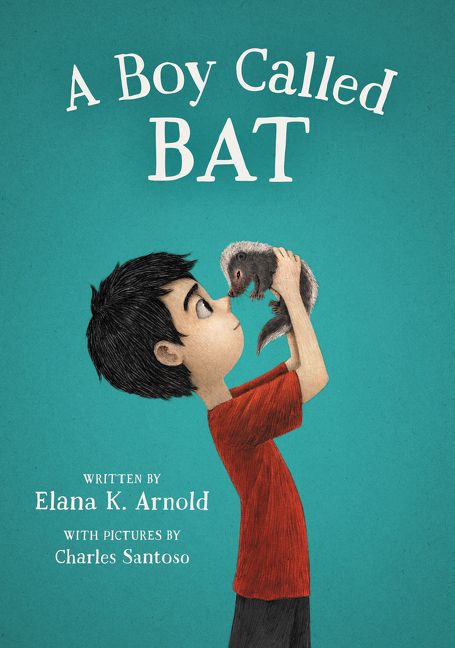
I would also pair this book with The Year of Billy Miller and A boy called Bat. For older readers I also suggest Things seen from Above and Sunshine by Marion Dane Bauer. Also look for Crenshaw.


Here are the two other junior novels by Peter Carnavas - every Primary school library in Australia (and beyond) should also add these to their library collection.


Wednesday, January 24, 2024

The Starting School list by Kitty Black illustrated by Cate James


You’ll learn where the loos are, and all about bugs.
You’ll learn a sad friend could do with a hug.
You’ll learn the best spot for sand that is slushy.
You’ll learn that tomato makes sandwiches mushy.


School begins in just over a week and so this is a PERFECT book to share TODAY. 

If you have a new child starting to Kindergarten (big school) please try to find this book. 


I especially enjoyed following the story of the different children in the class room - watch out for the little boy who sits alone and then you will smile when he finally makes a friend. 

Here is the website for Cate James. I have talked about her work in a previous post. Here is an interview with the author Kitty Black. 

I do hope this book has been entered into our CBCA (Children's Book Council of Australia) awards - in Early Childhood and if it has I expect to see it listed as a Notable title when they are announced on 27th February. It could/should even make the short list!


If you share The Starting School list with an older child (maybe Grade 2 and up) it would be fun to compare the kindness of the older brother with the advice given in this book (1988 so out of print but it might be in a library).


Friday, January 19, 2024

Bird and Sugar Boy by Sofie Laguna


"AP Davies was going to get a big surprise when Bird turned up at his place. I'd knock on the door and when he answered, I'd say 'Hello, AP Davies. My name's Bird - it really is!' Then I'd show him my drawing book and maybe we'd start making plans for the sanctuary as soon as I arrived."

James Burdell lives with his car mechanic dad. They have a good relationship but as you read this book you will wish James could talk more with his dad - he desperately needs to understand why his mother left when he was very small. James has a very active mind. He remembers overheard conversations and fragments of phrases uttered by the adults in his life, but he constantly misinterprets these. James lives in a small town called Denham - I think it might be in Victoria. He and his best friend Sugar Boy spend their time after school and on weekends mucking around on their bikes, chasing trains and fishing. At school James is always getting into trouble - he is either daydreaming about birds or causing trouble to get a laugh out of his classmates. The teachers know he is a bright boy but they are running out of patience with his bad behaviour. 

Birds are an obsession for James. Several years ago when he was with his dad in an op shop, he spied a book - Birds: A Field Guide. This book becomes his comfort. He almost memorizes the whole thing and when he is upset or confused or in trouble, he takes out his drawing book and sketches the birds from his book. In his mind the author is a hero and so James hatches a plan to meet AP Davies. The back cover says the author lives in The Blue Mountains. James has no idea where that is but when he is told his very best friend Sugar Boy is moving to Broome in Western Australia, James decides he needs to find AP Davies. He is sure leaving will make things easier for his dad who struggles to 'make ends meet.'

"I did know I was having big dreams, and big dreams aren't the way things actually are - but why was it better to stick with the way things actually are when big dreams felt so much better? Look what AP Davies did - he lived in mountains that glowed blue and spent all his time doing bird study."

Helping in a school library at the end of last year I spied Bird and Sugar Boy by Sofie Laguna. Parts of this story have lingered with me since I first read it in 2006. When I read My Brother Ben and also The Someday Birds I struggled to think of the title of Bird and Sugar Boy but I was certain it also contained a story about a boy who loved birds and who owned a precious bird guidebook.


But the blurb did not help me: Sugar boy gave me the name Bird, otherwise I'm James Burdell. I live with my dad who has a big tattoo that says Live to Ride. He is so strong he can lift up a car, but he can't tell me what he's thinking. Maybe he's thinking about my mother who shot through. Sugar Boy is my best friend. We hang around down at the river, in the bush tunnel, or beside the railway tracks riding our bikes fast enough to beat the train. There's only two of us, but we're the whole team. I don't know what would happen if I didn't have Sugar Boy.

This afternoon I re-read Bird and Sugar Boy from cover to cover. It is long out of print, but it might still be in a school library.  I was surprised by the scenes I had forgotten and delighted to find scenes I had remembered especially the ones near the end of the story when James (Bird) finds himself in the city at night with no money, no food and desperate to find the right train to the elusive "Blue Mountains." I was also surprised by the fairly strong language used in this story - I think perhaps I read with a different eye now. This book is almost a Young Adult title and so I would say 11+. I wish I had kept my old copies of Magpies magazine because this book was featured on the cover of May vol. 21 no. 2 2006; page 16 with a review by Agnes Nieuwenhuizen. Oh, and yes this was the book I struggled to think of featuring a bird guidebook and a journey of discovery by a young boy. 

Bird and Sugar Boy was a CBCA (Children's Book Council of Australia) Younger Readers Honour book in 2007.  Here are the comments by the judges:

When his best friend Sugar Boy moves interstate with his family, Bird is devastated. The consequent feeling of rejection causes him to revisit the pain of his mother’s departure earlier in his life. The resulting intensity and struggle of his father’s devotion becomes apparent when he takes off to the Blue Mountains and is located by the network of biker friends. Bird’s obsession with Davis’s Field Guide to Birds of Australia, along with his skill in drawing and the positive support from his science teacher, offer great hope for him. Realistic depiction of male characters who are friends rather than mates is sympathetically done by this author.

The winner in 2007 was Being Bee by Catherine Bateson.  Just for interest the Picture Book winner that year was The Arrival by Shaun Tan. 

Here are some other books by Sofie Laguna: